Archives for category: Professional Development

Of great concern among many teachers I work with is the question of how art should be evaluated. Implementation of any sort of art program — no matter how large or small — should involve careful evaluation of the students and their work, just as any subject of study in school does. For many people though, their first and only thought about art evaluation is, “How does it (the finished product) look?” or, “Does it look good/real?” These are the kinds of responses we’ve been conditioned to think about because many of us equate making art with some sort of “contest”. The problem with this type of thinking is that it is extremely limited. To restrict one’s evaluation of a piece of artwork to the end product alone, leaves all consideration of the process out of the equation. In my experience, it’s during the process of making art that much of the “good stuff” — critical thinking/problem solving — happens!

In my years of teaching, I have found it makes sense to consider the process of art making as well as the end product. More specifically, I believe that both process and product should be considered within the framework of each student individually. This is not as overwhelming as it sounds. Effort and involvement are key considerations when looking at the process a student goes through when creating any piece of art. The teacher should ask him or herself things like, “How involved did this student really get with the art experience? Did they explore many possibilities, or rush to get through it? Did they explore the materials made available during the experience? Did they take any artistic risks? Did they challenge themselves? What type of thinking did they do while working on the piece?” … and so on. It doesn’t matter how much — or how little — art background an individual has, everyone can and should be expected to put forth his or her greatest effort during an art experience. Different individuals will most certainly bring a wide variety of skills and prior experience to the table, but an evaluation of their process — including their effort and involvement — instantly levels the playing field, no matter what the final outcome (product) “looks like”. (And really, who among us is qualified to “judge” the outcome only of an art experience when the expression is so personal, coming entirely from within the child?)

“When individuality appears, that’s the beginning of art.”                                                                               —   Pablo Picasso

Artistic expression comes from within. Perhaps more than any other subject in school, art allows children to explore and to express who they are…as well as who they want to become.

When we teach our students math… 2+2 =4… always. When we teach our students history… the people, places, and dates remain fixed in time. When we teach our children spelling and grammar… there are rules to be mastered and followed. All of this learning is “external”… originating outside of the child. But when we teach our students art, the work comes from inside them… their expressions are unique… individual… authentic. The level of creative thinking and problem solving that’s involved in any legitimate art experience is extraordinary, and if students are demonstrating their full effort and involvement in an art experience, who’s to say the outcome is “wrong”?  This type of artistic expression naturally leads to authentic success, which is a profound way to motivate our students to engage in greater learning challenges.

Providing your students with frequent opportunities to authentically and successfully express their learning across the curriculum through art, will yield benefits beyond your wildest imagination.

To get started, click on the Fresno Pacific University link at the top of this page to register for one or more of my 3 unit, distance learning, independent study classes. These courses will show you how easy it can be to bring the power of art into your classroom.

Well Hello New Year!

Whether you’re a teacher still enjoying his or her winter break — or you’ve already made the jump back into school — now is a great time to consider how you can make art a foundational part of your classroom curriculum in the coming months.

Perhaps you might consider setting a simple goal of incorporating one art experience per month into a lesson you already plan to teach, for the remainder of the school year. You could continue this creative trend by involving yourself in some art experiences every month through your summer break. Might I be so bold as to suggest that you sign up for one of my Professional Development courses through Fresno Pacific University? You’ll learn a lot about incorporating art into your classroom and you’ll have fun while doing it! (Click on “Courses for Credit” at the top of this page.) When fall comes around and brings with it a fresh new school year, you’ll be prepared and confident, ready with the skills you developed while working with me over the summer.

This could be the start of something wonderful and very creative…

I’m taking a break from writing about Art Journals to say how thankful I am for art in my life. Looking at art… making art… seeing art all around me in my everyday life.

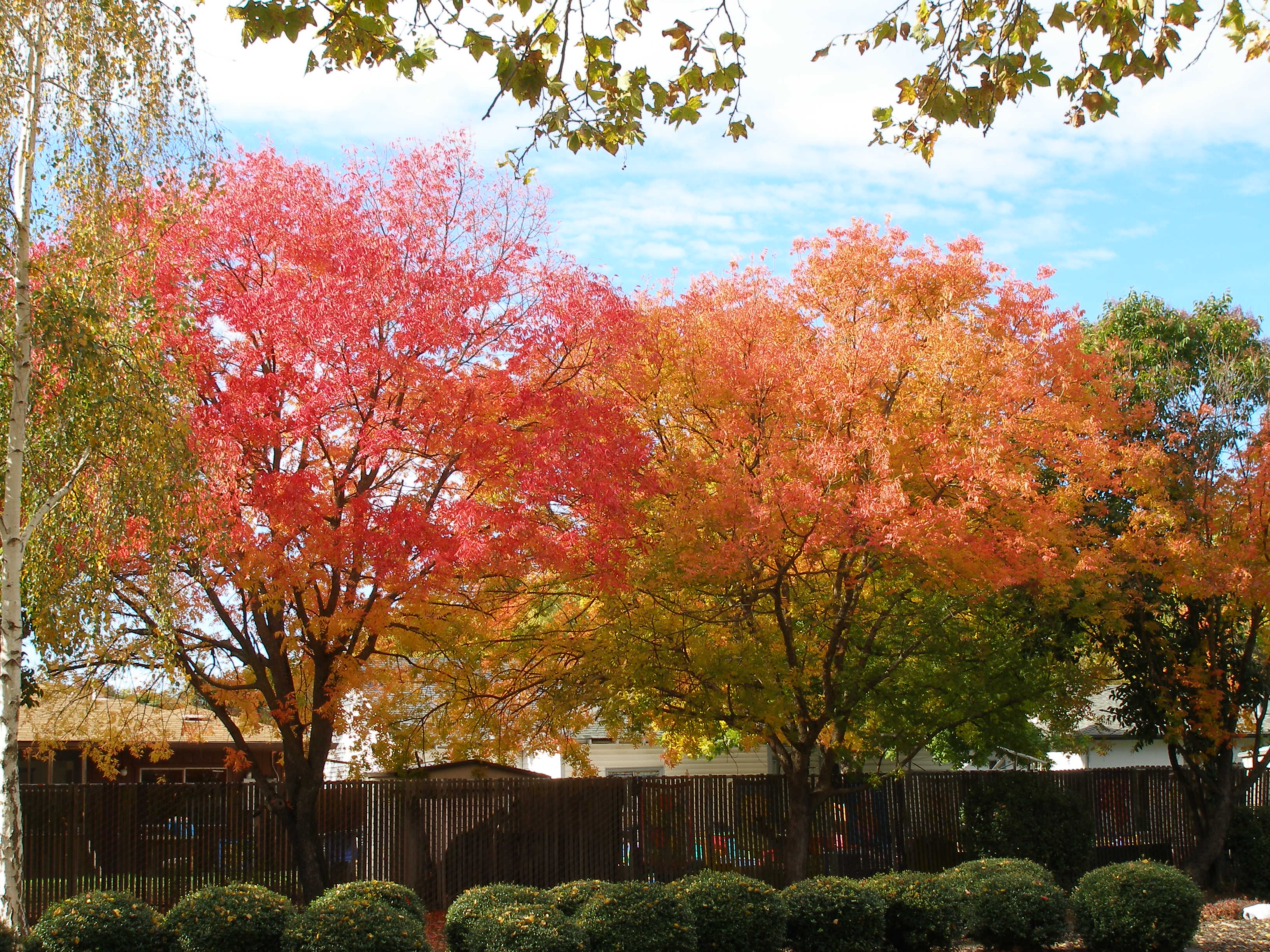
Don’t miss the beautiful “exhibit” nature has on display right now!

Back next week with more easy ideas for bringing art into your classroom. As always, click on Fresno Pacific University at the top of this page if you’re interested in taking one or more of my Professional Development classes.

Happy Thanksgiving!

In this continuing saga of the many benefits of using Art Journals with your students, today I’d like to suggest a few ideas to keep your students excited about and engaged in their journals.

1. Generate excitement. This one is so easy you won’t even believe it — but it’s true. If you want kids to get excited about something and to observe it really closely… put it “under glass”. I had an old glass display box that I would put things in, and suddenly the contents would be magically transformed into priceless objects! I’m here to tell you that this worked equally well for first graders as it did for high school students. As people, it seems we are just naturally interested in things “on display”. My little display case was glass on three sides and the top, had doors on the back — which is how you could put things inside — and it also had the ULTIMATE feature… a light inside! Well, you can imagine how fascinating things became when placed inside the display box with a light shining on them! Just stand back and let the students look, draw, and describe. I think any kind of display area/stand/cover would do… it just sets the objects apart from being ordinary and helps them seem special and worthy of study. I put all kinds of things “on display” in that case… a bird’s nest I found on the ground… rocks… shells… leaves… you name it. In elementary school I used this display box as an “Observation Station”, and students would go there to work independently in their journals. Something to keep in mind — you’ll want to establish expectations for your display container. For example, will your students be allowed to lift it/hold it? Or is it to remain on the counter/table/floor? Be sure to make it very clear to your students how you expect them to use this “special display container”.

2. Choose “unexpected” subjects for their observations. This is not for the faint of heart, but if you’re game — think about having the kids observe something that changes over time like fruit or vegetables or cheese. (You probably want to have some sort of glass container for this stuff!) As you can imagine, watching fruit/food rot is enough to make children giddy — the more gross, the better! From an observational point of view, it really does make for a fascinating study with lots of opportunities to use descriptive language and to include specific details in their drawings that show the transformation.

Next time… some easy ways to incorporate the Art Journals into your classroom curriculum. Click on Fresno Pacific University at the top of this page if you’re interested in learning more about the art classes I teach. Thanks for reading my blog! If you have any specific questions/comments that you’d like me to respond to, please leave me a comment or write to me at JGomasFaison@gmail.com

So my last post was VERY long, and I promised this one would be shorter — so here goes!

If you’ve been able to get your students started working in an art journal of some sort, here are a few tips to keep in mind that will keep the journals relevant, meaningful, and fresh for both you and your students.

1. Collect the journals and comment in them periodically. Don’t make this a huge chore… just gather them up every so often and check out how your students are using them. This can be an excellent time to get a feel for any improvements/challenges in their writing, and also for checking out their attention to detail in their drawings. Keep comments to a minimum. Things like, “Great observation!”, “I agree with you here.”, “Love the detail in this drawing!”, are all things that will encourage your students. I wouldn’t think of this as “correcting” their journals, but rather just an opportunity to touch bases and see that they are being used as intended. (For example if you see lots of drawings of cartoons, you might want to speak to that student and remind them of how their art journal should be used.)

2. Work as a whole group periodically. Just as you did in the beginning to establish your expectations for the art journals, work every so often as a whole group to reinforce those expectations and offer encouragement while your students are actually working in them. One fun thing to do is to observe and draw something seasonally as a group. As a first grade teacher, there was a small tree in a planter right outside of my classroom, and a few times a year — at the change of seasons — we would all take our journals outside to carefully observe and draw this tree. The students loved looking back at the drawings they had done previously to see how the little tree had changed. It was a simple, but powerful way to help them be more aware of their everyday surroundings. Many would report back to me about how trees were changing around their own neighborhoods, “just like our tree”! Imagine!

3. Don’t keep a journal with your students. I’ve touched on this before, and I can’t emphasize it enough: DO try keeping an art journal of your own, but please DON’T  draw in it along with your students. First of all, if you are trying to observe and draw in your own journal, you will not be able to monitor and be engaged with your students as they work. Secondly, if you are working in a journal, your students will lose interest in their  own journals and will want to watch what you are doing. Finally, that’s a lot of pressure to put on yourself! Your students don’t need to see you draw to be able to have a meaningful experience drawing in their own journals.

In my next post, I’ll give you a few more suggestions about how to keep your students on track and engaged with their art journals, as well as easy ways you can incorporate them into the curriculum you are already covering in your classroom. As always, if you find yourself in need of Professional Development credits and/or are looking for ways to bring some meaningful art experiences into your classroom, click on the Fresno Pacific University link at the top of the page for information about courses I offer. Also, I’d love to hear what you think of this blog, so drop me a line if you’re so inclined.

I hope my last post got you thinking about taking the simple first step of bringing more art into your classroom by introducing the idea of Art Journals to your students. Whether you’ve decided to purchase actual blank books, give each student loose sheets of copy paper in a folder, or you’ve chosen to do something in between, here are a few things to keep in mind as you get started. Let’s begin with expectations.

Make Your Expectations Clear: It’s very important that you introduce the journals to your class as such… art journals. Let them know that these are special and are only to be used for recording their observations (things they see/think about) in both pictures and in words. Let them know that you expect work in these journals to be careful and thoughtful — and that everyone will be working in them the first few times together as a class so that they can understand exactly what you mean. (More about that in a future post.) I would suggest making a little list that you might post someplace in your classroom — this list can then be referred to as needed to reinforce your expectations.

When Students Can Use Their Journals: It’s up to you when you’d like your students to be able to use their journals independently… perhaps during station time, when other work is finished, or when waiting for help… decide what works best for you and let them know.

Art materials to be used in the journals: Again, this is up to you, but I’ve had great success in allowing simply a pencil and an eraser. This places the focus squarely on their drawing and writing — use other art experiences to explore other materials. This also eliminates the problem of them not having what they need to work in their journal — remember, we’re making this easy!

Observation Subject: I’ll talk about observational drawing in a future post, but for now while you’re thinking about expectations, I would suggest that you let your students know that the object(s) they choose to draw/write about in their journals should be something that they can easily see from their seat — it might even be something at or in their desk. Trust me, the last thing you want is for your students to start wandering around looking for things to draw — and believe me, they will! Moving around looking for the perfect thing to draw becomes more important than the drawing. You might guide them to select something that doesn’t move so that they can get a really good look at it — which rules out things like drawing their neighbor!

Next time I’ll talk about observational drawing and how to get your students off to a good start in their journals. Laying a foundation for use in just a few brief sessions as a whole class will help ensure the ease and quality of their use for the remainder of the year. If you’re interested in learning more about teaching art to your students and perhaps need some Professional Development credits too, click on Fresno Pacific University at the top of the page and you can read more about each of the courses I teach. (Specifically ART 900: Drawing Magic, and ART 904: Ideas To Draw From might interest you!) If you like what you’ve read here, I’d love to hear from you — JGomasFaison@gmail.com

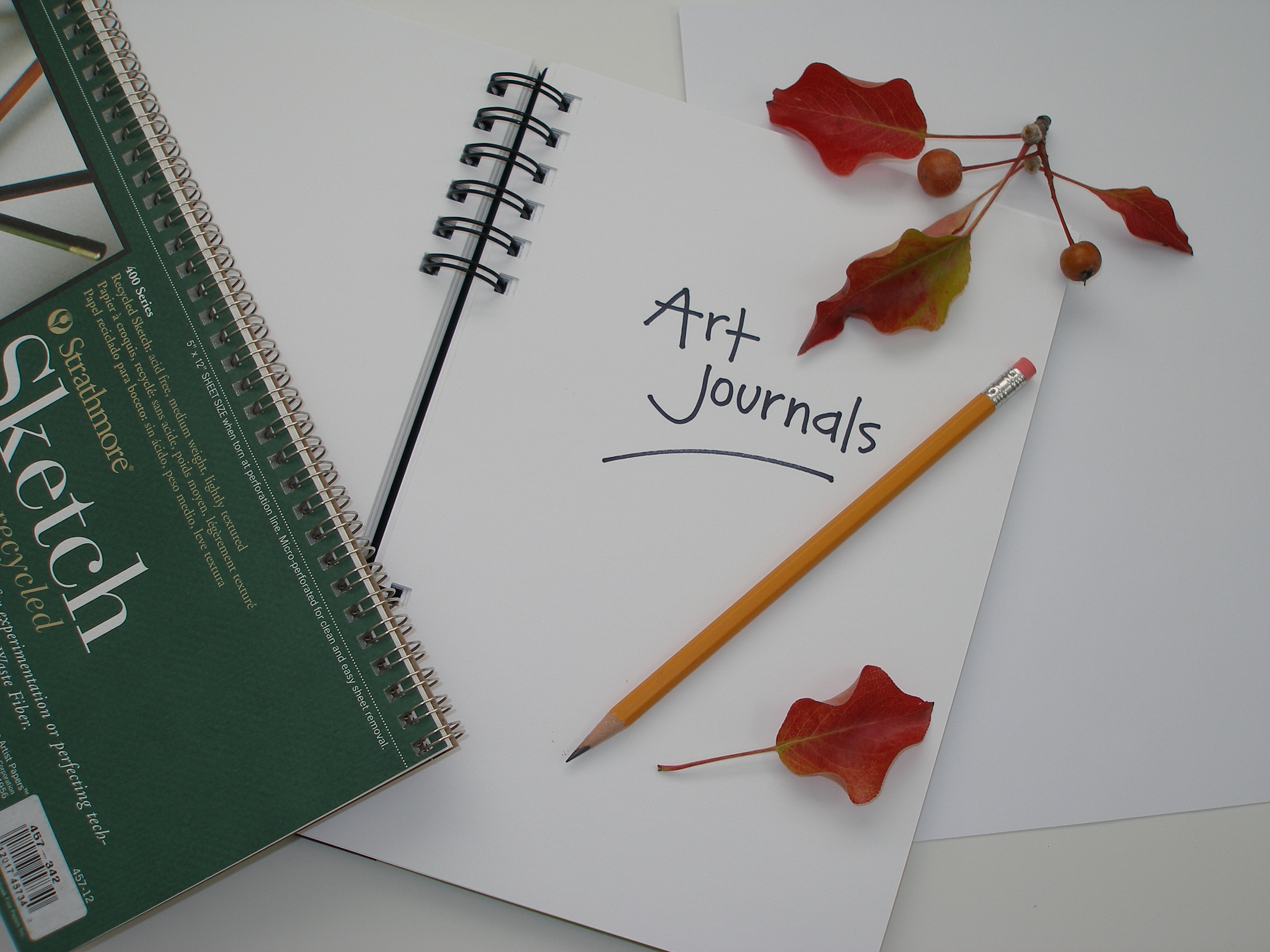
Adding art to your classroom curriculum doesn’t have to be complicated, time consuming, or “scary”. One very simple way you might begin to add art into the day would be the introduction and use of “Art Journals”. This could be as involved as purchasing a blank book for each student, or as simple as each child keeping sheets of copy paper inside an inexpensive folder with pockets. What is important is that it is their ART JOURNAL, and that you introduce it as such with some very specific expectations for its use. You will need to set aside a small amount of time at the beginning to establish your expectations for the journals and their use, but the rewards will be well worth this investment of time and effort.

A very simple way to begin would be to have your students use this journal as something they can independently work in when other work has been completed, when they are waiting for help, or perhaps when there are a few spare moments of “transition” time. Before you can expect your students to use their journal independently though, you must introduce the idea and set up some expectations. Again, I would suggest that you keep it simple. the main expectation I would suggest is that they use this art journal for observational work only. This means they will use it to draw only things they can observe, see, look at, study. This type of drawing requires patience and concentration — both excellent qualities to develop in your students. Writing is a natural partner to drawing in the Art Journal. Students who are less confident in their writing might only record the day, date, and time of their drawing, and perhaps a brief description of their work and/or how they felt working on it. Students more confident with their writing may choose to write more. Either way is valid and should be encouraged.

For now, think about what supplies you can realistically gather for your students to use as their Art Journals. (Beyond the blank book/sheets of paper/folder component, all you need are pencils and erasers.) Check back in a day or two to read about the specifics of observational drawing as well as how you can easily introduce the Art Journal and set up simple expectations for its use. While you’re here, check out the Professional Development art courses I offer by clicking on Fresno Pacific University at the top of this page. Each class is a great, non-threatening way to bring art into your classroom while earning Professional Development units at home on your schedule!

And because of this — how could you possibly teach art?

First of all, I would have to disagree with you feeling like you’re not an artist. Perhaps you’ve never developed the skills for realistic drawing and painting… but being an artist is so much more than that. Maybe you’re a fabulous cook, or you enjoy taking photographs, or you’re the best, most creative lesson planner in your district. These things are all forms of art — thereby making you an artist. So expanding your definition of what constitutes an “artist” and an “art experience” is a good place to begin.

Now back to the often heard, “I can’t teach art because I’m not artistic/creative”, etc. I believe when teachers say this, they envision that an “art teacher” must be able to create art in front of their students in order to show/teach them how to do it. Here’s a little secret: that’s not necessary! In fact, I would argue, it’s not even the preferred method of teaching art. After years of teaching art to children and adults, I can honestly say that I’ve never “done” a drawing/painting or any finished artwork for — or in front of — any of my students students. The reasons for this are many, and I’ll talk about them in a future post, but for now, here’s the main point of this blog:

You don’t have to “perform” for your students in order for them to have exciting, meaningful art experiences in your classroom!

So if you’re a teacher who can imagine the enormous benefits of adding art to your current curriculum, but you’ve been too intimidated to try — this blog is the place for you! I plan to give you lots of encouragement and easy, practical tips for adding art to your classroom no matter what art experiences you’ve had — or not had. Once you see how easily art can be added to lessons you’re already teaching, you will love how it increases student motivation and engagement, improves behavior (Yes, behavior!), and creates a more vibrant learning environment in your classroom.

While you’re here, and feeling some new found confidence about your ability to teach art, why not click on over to my “courses for credit” page or click directly on the Fresno Pacific University link and explore the courses I offer there. Each has been designed for the teacher with little or no art experience, and all are packed with lessons immediately ready for classroom use. Thanks for stopping by… and come back again soon.

Welcome to my first ever blog post about art and art education!

This is something I’ve wanted to do for a very long time… it seems like the perfect compliment and support for the courses I teach through Fresno Pacific University’s Center for Professional Development. The five courses I offer there are all of the “self-directed” / “independent study” variety, which means my students and I don’t meet face-to-face as happens in a traditional classroom.

Enter my blog.

This seems like it would be an outstanding additional opportunity for my students and I to check in with each other, as well as providing a format for my students to check in and share amongst themselves.

The main thing I hope to accomplish through my teaching — and now, by extension, through this blog — is that art doesn’t have to be intimidating. Art is not “exclusive”.  Art is all around us! Art can — and should be — an important part of every child’s education. It is my hope that I can convince teachers and parents alike how easy it can be to bring art into children’s lives. The rewards of doing so can be life-changing!